Exploring the mind Understanding psychological tactics in gambling behavior
The Psychology of Risk and Reward
The dynamics of risk and reward play a crucial role in shaping gambling behavior. Gamblers are often motivated by the thrill of winning, which can create an intense emotional experience. This psychological high can lead to patterns of behavior that prioritize short-term gains over long-term consequences. Understanding these psychological mechanisms can provide valuable insights into why individuals engage in gambling despite the odds often being against them. Many people look to resources that highlight the best crypto casino usa options available, which can enhance their experiences.

Furthermore, the brain’s reward system is activated when individuals win, releasing dopamine and creating a sense of pleasure. This biological response can reinforce the desire to continue gambling, even in the face of losses. By recognizing these psychological triggers, both gamblers and those seeking to help them can better navigate the complexities of gambling behavior.
Cognitive Biases in Gambling
Cognitive biases significantly influence how gamblers perceive their chances of winning. One common bias is the illusion of control, where individuals believe they can influence the outcome of random events. For example, a player might feel that certain rituals or strategies can sway the results in their favor. This belief can lead to repeated gambling attempts, fueled by a false sense of agency.
Another prevalent cognitive bias is confirmation bias, where gamblers tend to remember their wins while overlooking their losses. This selective memory can create a distorted view of their success rate, reinforcing the gambling habit. By understanding these cognitive biases, individuals can develop more rational approaches to gambling and make informed decisions.
The Role of Emotions in Gambling Decisions
Emotional states profoundly impact gambling behavior. Feelings of excitement, stress, or even boredom can drive individuals to gamble as a means of coping or escape. For instance, someone experiencing anxiety may turn to gambling as a distraction, leading to impulsive decisions that overlook potential consequences.
Moreover, emotions can skew risk perception. A gambler on a winning streak may feel invincible and take higher risks, while a person facing losses might chase their losses, leading to even more significant financial problems. Acknowledging the influence of emotions can help gamblers recognize triggers and cultivate healthier coping mechanisms.
Social Influences on Gambling Behavior
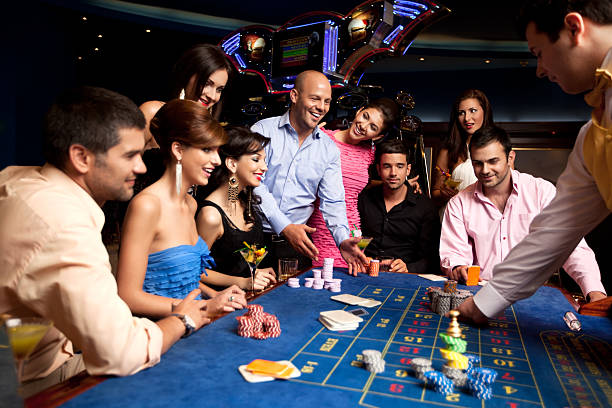
Social contexts also play a vital role in gambling behavior. Peer pressure and social norms can encourage individuals to participate in gambling activities, particularly in environments such as casinos or betting establishments. The social aspect of gambling can amplify the thrill, making it more appealing to individuals seeking camaraderie or validation.
Additionally, the normalization of gambling in certain cultures can desensitize individuals to its risks. Awareness of these social influences is essential for understanding why some people gamble more than others and how to foster responsible gambling practices within communities.
Empowering Users Through Understanding
A comprehensive understanding of gambling behavior and its psychological underpinnings can empower individuals to make informed choices. Websites focused on providing resources about gambling can play a significant role in educating users about the risks and psychological tactics involved in gambling. By offering insights into responsible gambling practices, these platforms can support individuals in making healthier decisions.
Furthermore, such resources can create a supportive environment for those seeking help. By promoting awareness of cognitive biases, emotional influences, and social factors, users can better navigate their gambling experiences and avoid potential pitfalls, fostering a more responsible gambling culture.